
Owning property by the water offers breathtaking views and a unique lifestyle—but it also comes with the responsibility of protecting that property from the relentless forces of nature. One of the most important defenses against erosion, flooding, and storm damage is a seawall. However, simply having a seawall isn’t enough: ongoing inspections and maintenance are essential to ensure that it continues to do its job effectively.
In this blog, we’ll explore what professional seawall inspections involve, why they’re important for safety, what can happen when problems are ignored, and how proactive care can help protect your investment.
Understanding Seawalls and Their Purpose
Before diving into inspections, it helps to understand what a seawall is and why it exists. A seawall is a coastal defense structure designed to protect shorelines and waterfront properties from erosion, wave action, storm surges, and flooding. By creating a barrier between the water and land, seawalls help stabilize soil, safeguard buildings, and preserve property value.
Different materials such as concrete, steel, vinyl, and timber can be used depending on the environment and requirements, and proper design and construction are key to long-term performance.
What’s Involved in a Professional Seawall Inspection?
A professional seawall inspection in Florida is a comprehensive evaluation carried out by experienced inspectors or engineers to assess how well the seawall is performing and whether it can continue protecting your property from erosion, tides, and storms. These inspections go well beyond a simple look-over and cover both visible and hidden structural elements.
Thorough Visual and Structural Assessment
Inspectors begin by examining the seawall’s surface for cracks, gaps, bowing or leaning sections, rust and corrosion stains, and spalling (flaking concrete). They also check whether expansion joints are separating and if soil erosion or land loss is occurring near the wall. This helps identify early signs of structural stress.
Evaluating Soil, Drainage, and Water Interaction
Beyond the wall itself, experts assess the soil stability behind and beneath the seawall, because shifting soil can increase pressure on the structure. They also inspect drainage features like weep holes to make sure water drains properly instead of building up pressure behind the wall. In Florida’s tidal environment, inspectors pay close attention to how water levels, tides, and wave action interact with the seawall.
Tiebacks, Anchors, and Internal Components
Inspections include checking tiebacks and anchoring systems — metal rods or components that anchor the wall to stable ground — for signs of corrosion or wear. Weakened tiebacks can compromise stability, so inspecting them is key to assessing overall strength.
Underwater and Specialized Checks
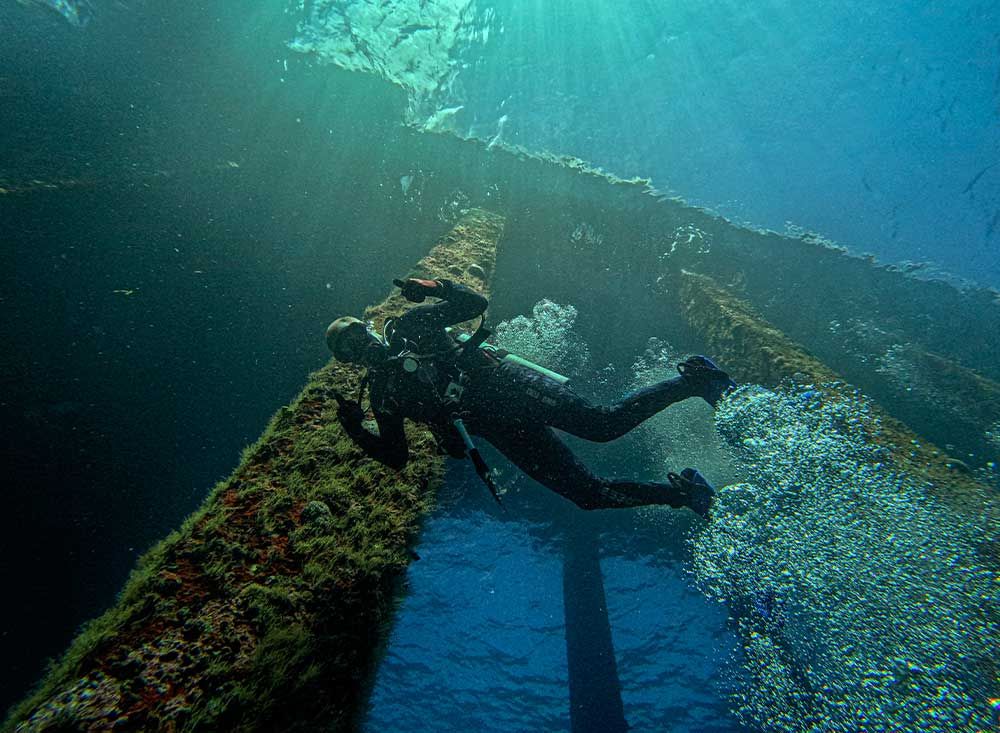
In many cases, professionals also inspect the below-waterline portion of the seawall, where much damage can occur out of sight. This may involve underwater cameras or drones to document conditions such as undermining or erosion at the base of the wall.
Detailed Report and Recommendations
After completing the inspection, you receive a detailed report outlining the condition of the seawall, any problems found, their severity, and recommended actions. This may include routine maintenance, specific repairs, reinforcement options, or planning for eventual replacement.
Professional inspections typically take into account both environmental stressors and long-term structural integrity to ensure that your seawall remains a reliable coastal defense.
Signs Your Seawall May Need Immediate Attention
While professional inspections are best, you can watch for visible warning signs that suggest underlying problems:
- Cracks or chips in concrete
- Rust stains indicating corrosion
- Leaning or bowing sections
- Soil erosion or sinkholes forming near the wall
- Gaps between panels or soil and the seawall
If you notice any of these issues, it’s wise to schedule a professional inspection sooner rather than later.
What Happens if Seawall Damage is Ignored?
Ignoring seawall damage can lead to serious consequences in Florida, not just for your property, but also for the surrounding landscape and safety. Without timely inspection and repair, minor issues can quickly become costly problems.
The Risks of Neglect
- Increased Flooding and Water Ingress: A damaged seawall loses its ability to hold back water effectively. This can allow water to reach lawns, driveways, and structures, leading to flooding, water damage, and deterioration of building foundations.
- Land Loss and Soil Washout: When water seeps through cracks or joints, the soil behind and beneath the seawall can be washed away. This undermines the land your property sits on, reducing usable space and potentially destabilizing nearby features like walkways, patios, or docks.
- Structural Collapse or Failure: Small issues eventually compromise the seawall’s strength. Over time, pressure from water and erosion can cause sections of the wall to bow, lean, or collapse entirely. This kind of failure is far more expensive to fix than addressing damage early.
- Higher Repair Costs: What might start as a localized repair becomes a larger reconstruction project if ignored. Catching damage early usually means more affordable fixes like sealing cracks or stabilizing soil instead of replacing whole wall sections.
- Compromised Protection Against Storms: A weakened seawall is less effective at defending against high tides and storm surge, leaving your property more vulnerable to weather events and increasing the likelihood of catastrophic damage during storms.
- Safety Hazards for People and Surroundings: An unstable seawall can lead to uneven ground, sinkholes, or sudden soil collapse near the wall. These create hazardous conditions for family members, visitors, pets, and anyone near the shoreline.
In short, delaying inspection and repair often leads to significantly higher costs, greater property damage, and elevated safety risks. Proactive maintenance helps preserve both your property value and peace of mind.
The Importance of Seawall Inspections for Coastal Safety
Routine seawall inspections are essential for keeping coastal safety intact. In Florida’s harsh marine environment, where saltwater, tides, storms, and rising sea levels constantly test shoreline defenses, regular evaluations help ensure that your seawall continues to protect land, property, and people effectively. Consistent inspections prevent premature failure and support long-term coastal resilience.
Key Safety Benefits
- Protecting Life and Property: A seawall that remains structurally sound helps reduce the chances of flooding, soil loss, and damage to nearby structures during storms and high tides. Coastal communities and waterfront homes rely on strong seawalls as a first line of defense.
- Detecting Hidden Damage Early: Regular inspections uncover small cracks, erosion at the base, corrosion of reinforcement, and other subtle signs of wear before they escalate into serious failures. Identifying these issues early allows for repairs when they are far less expensive and less risky.
- Extending Lifespan of Coastal Defenses: Inspections help preserve the seawall’s strength over time. Maintaining the structure prevents deterioration from progressing unchecked, which in turn extends how long the seawall can continue its protective role.
- Compliance With Local Standards: Many Florida counties and coastal municipalities have regulations or best-practice guidelines for coastal infrastructure performance. Routine evaluations help property owners meet these criteria and avoid regulatory issues.
- Preserving Property Value: Frequent inspections reassure buyers and insurers that the seawall is reliable. This contributes to broader property value stability by demonstrating that the shoreline protection is documented and maintained.
- Preventing Environmental Degradation: Keeping seawalls functioning properly also helps reduce unintended shoreline erosion and related ecological impacts. Managing structural integrity supports the broader coastal environment.
Overall, seawall inspections are not a luxury. They are a proactive, cost-effective, and necessary part of managing coastal safety, protecting investments, and adapting to Florida’s dynamic shoreline conditions
Tips to Maintain Your Seawall Between Inspections
While inspections should be done by professionals, property owners can take steps to maintain seawall health:
- Conduct periodic visual checks for changes
- Remove debris and vegetation buildup
- Address visible cracks promptly
- Schedule inspections after storms or unusual events
These simple habits help extend the life of your seawall and catch early signs of deterioration.
Frequently Asked Questions (FAQs)
Q: How often should a seawall be inspected?
A: Experts generally recommend a professional inspection at least every 2-3 years, and especially after major storms or noticeable changes.
Q: Can I inspect my seawall myself?
A: While you can perform basic visual checks, only a trained professional can assess structural integrity and hidden damage effectively.
Q: Does every seawall need repair after inspection?
A: Not always. Some inspections may find minimal issues, but even small repairs can prevent larger problems down the line.
Q: Are seawalls expensive to maintain?
A: The cost varies based on seawall type, age, and environmental factors. However, regular inspections and minor maintenance typically cost far less than major repairs.
Q: What is the biggest danger of seawall failure?
A: The most significant risks include property damage from flooding, loss of land due to erosion, and potential collapse that could endanger people nearby.
In summary, professional seawall inspections are an essential investment for anyone with waterfront property. They help protect your most valuable assets, ensure safety, and prevent costly surprises. Schedule regular assessments, stay proactive with maintenance, and rest easy knowing your shoreline is secure.